[ad_1]
Research Studies Suggest AI Is Accelerating Familiar Cyber Attacks
Research released around the recent Black Hat USA 2026 conference suggests that artificial intelligence is increasing the speed and scale of cybersecurity activity without replacing the attack methods defenders already face. One autonomous vulnerability-research system analyzed 3,915 open source projects in two months and confirmed 14,090 flaws, 99.4% of them previously unreported.
Other findings highlighted identity or privilege in 75% of completed investigations, attacker breakout times below 30 minutes, and widespread malware use of direct-to-IP connections to bypass DNS-based monitoring. Together, the reports suggest AI is helping both attackers and defenders move faster while phishing, stolen credentials, exposed services, misconfigurations, and software supply-chain weaknesses remain central risks.
The reports also point to a shrinking response window for cloud and infrastructure teams. Researchers documented faster exploitation, increased cloud-aware criminal activity, abuse of enterprise AI infrastructure, poisoned software dependencies, and identity attacks that can turn legitimate authentication mechanisms into paths for unauthorized access.
The following roundup summarizes the principal findings from official studies, reports and technical analyses released around the Black Hat event.
AI Systems Find Vulnerabilities at Software Scale
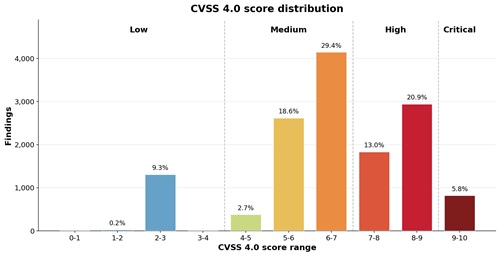
Palo Alto Networks Unit 42 published results from NOVA, an autonomous vulnerability research system, in its frontier AI vulnerability study. Unit 42 said NOVA analyzed 3,915 open source projects over two months and confirmed 14,090 vulnerabilities. According to the researchers, 99.4% had not previously been reported, and 39.7% were rated High or Critical under CVSS 4.0.
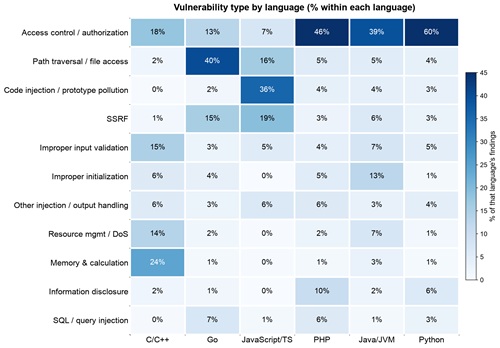
Unit 42 also reported that vulnerability patterns varied by programming-language ecosystem, including differences in access-control flaws, path traversal, code injection, prototype pollution, and server-side request forgery.
- Semantic flaws: Unit 42 said 92% involved semantic or logic problems that are difficult to identify through conventional fuzzing.
- Workflow: NOVA reviews project history and code, identifies candidates, builds proofs of concept, validates them in clean environments, and prepares patch candidates and disclosure reports.
- Disclosure: Unit 42 said it worked with maintainers and vulnerability-clearing organizations on responsible disclosure.
Another Unit 42 study analyzed malware that bypasses domain-name monitoring by connecting directly to IP addresses. The researchers examined more than 4 million dynamic-analysis reports for the direct-to-IP malware analysis. Among samples that communicated with command-and-control infrastructure, 45.32% made at least one direct-to-IP connection. After excluding bulk scanning, the figure was 41.97%. Direct-to-IP traffic represented 23.17% of all command-and-control connection attempts in the study.
[ad_2]
Source link
Leave a Reply